
What Is The American College Application Campaign?
The American College Application Campaign (ACAC) is a national effort to increase the number of first-generation college students and students from low-income families pursuing a college degree or other higher education credential.
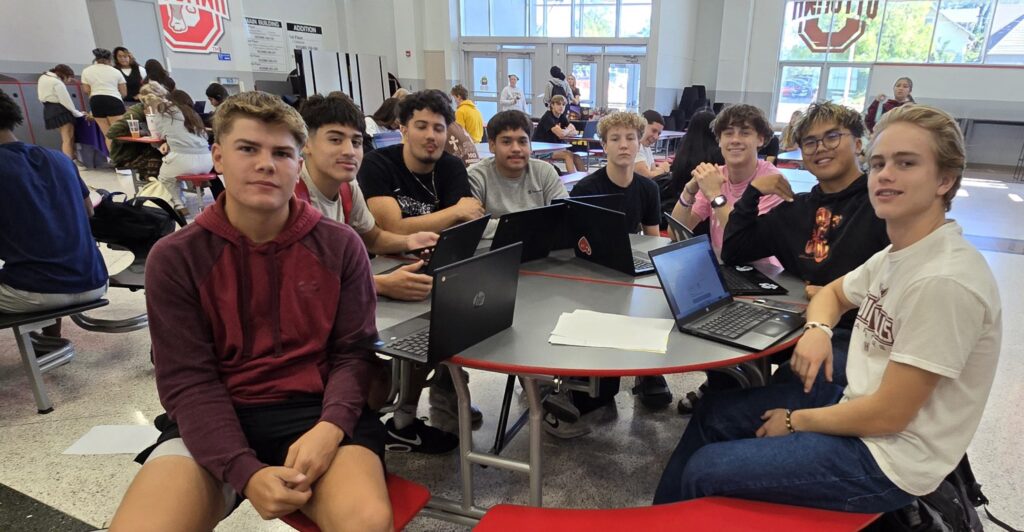
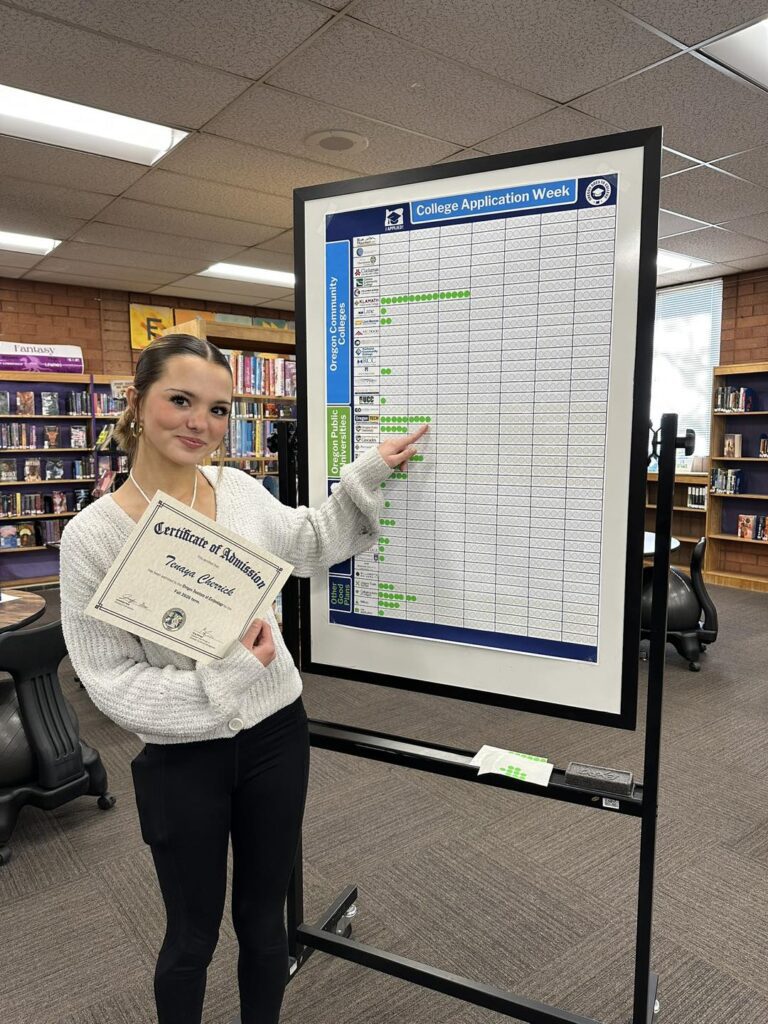
The college application process can be confusing and daunting for students. ACAC supports high school in organizing events to assist high school seniors, including those systemically underserved, with submitting at least one college application typically in the fall months. We break down the steps of the application process and we meet students where they are – in high school during the school day. By working across schools, across communities, and across state lines, we can more successfully impact who pursues education and training beyond high school.
Beginning in 2014, ACAC programs took place in nearly all 50 states and the District of Columbia. As of the 2025 campaign year, nearly 7 million students have been served, submitting more than 12 million college applications since the campaign’s inception in 2005.
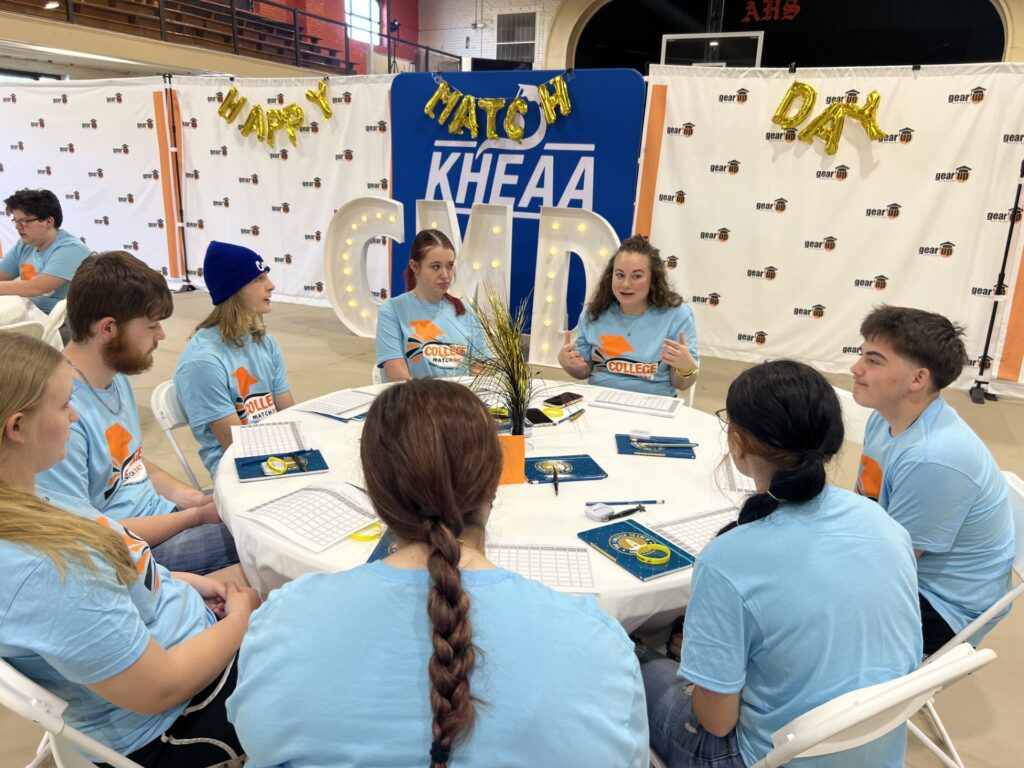
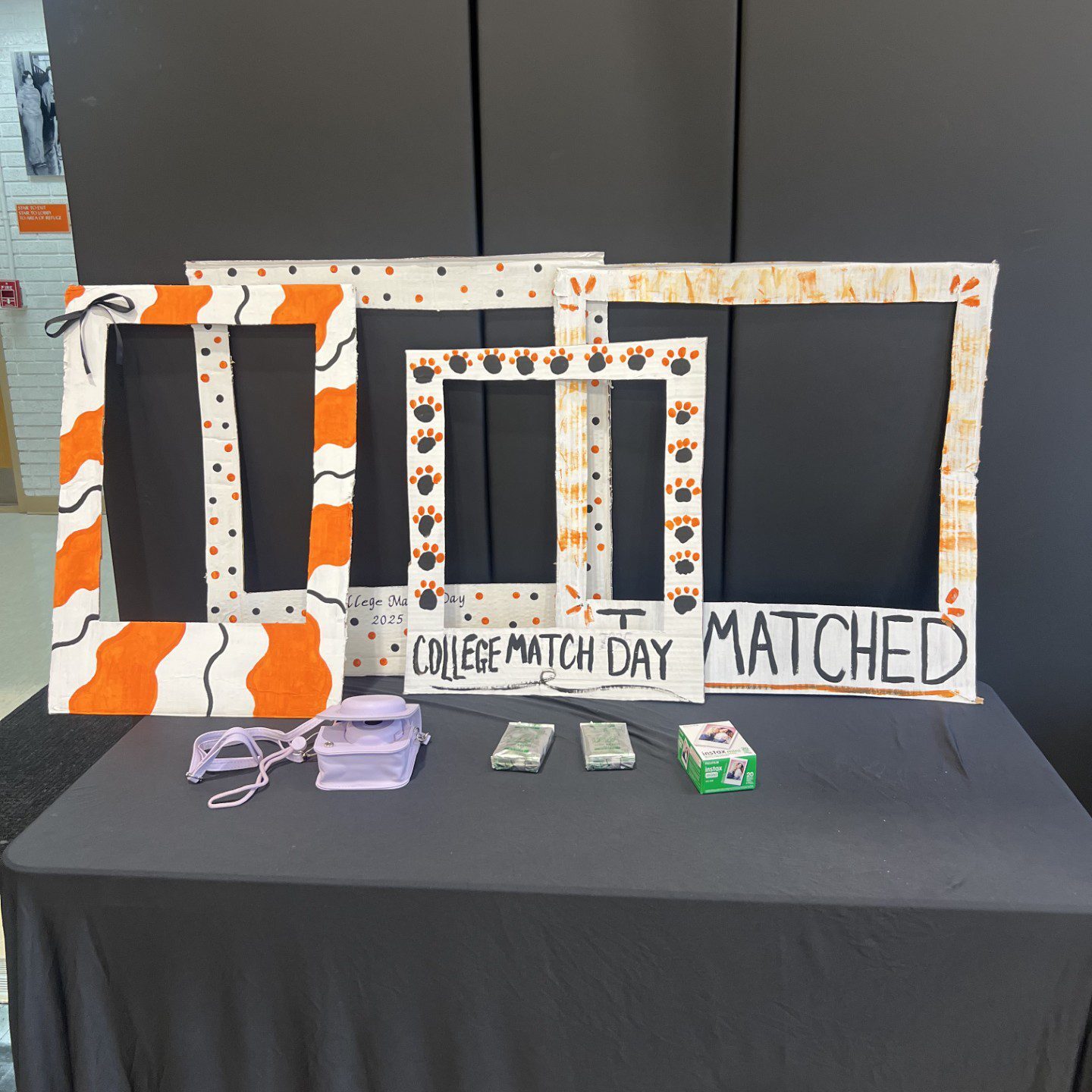
In 2024, ACAC explored expanding the initiative to include junior year activities called College Match Day. Thanks to the generous support of the Kresge Foundation and 20 high schools willing to pilot and test the initiative, ACAC launched the junior year College Match Day program in spring 2026.
Host Site Registration: Junior Year – College Match Day

Please fill out this form by scanning or clicking on the QR code to let the American College Application Campaign team know you are interested in receiving more information about the College Match Day program for juniors.
Host Site Registration: Senior Year – College Application Completion Event

Host site registration for the fall 2026 College Application Campaign will open in April 2025. Please connect with your state campaign to ensure you receive state specific information and resources.
Why College Matters
Higher education will determine the future of our nation. Often, income inequalities are driven by a lack of access to college. Not only are college graduates half as likely to be unemployed as those with only a high school degree, they are also more likely to vote and be leaders in their communities. The economic health and social viability of a democratic society is determined by the education of its citizens. We must remove the barriers to postsecondary education access.
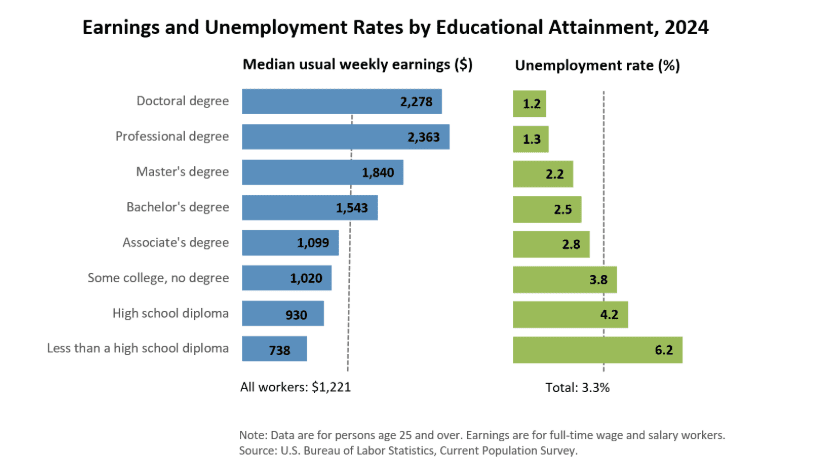
Source: US Bureau of Labor Statistics, Current Population Survey
These education categories reflect only the highest level of educational attainment. They do not take into account completion of training programs in the form of apprenticeships and other on-the-job training, which may also influence earnings and unemployment rates. For more information on training, see: https://www.bls.gov/emp/documentation/education-training-system.htm.
BLS has some data on the employment status of the civilian noninstitutional population 25 years and over by educational attainment, sex, race, and Hispanic origin online.
The Census Bureau also has some data on educational attainment online.
Last Modified Date: August 28, 2025